
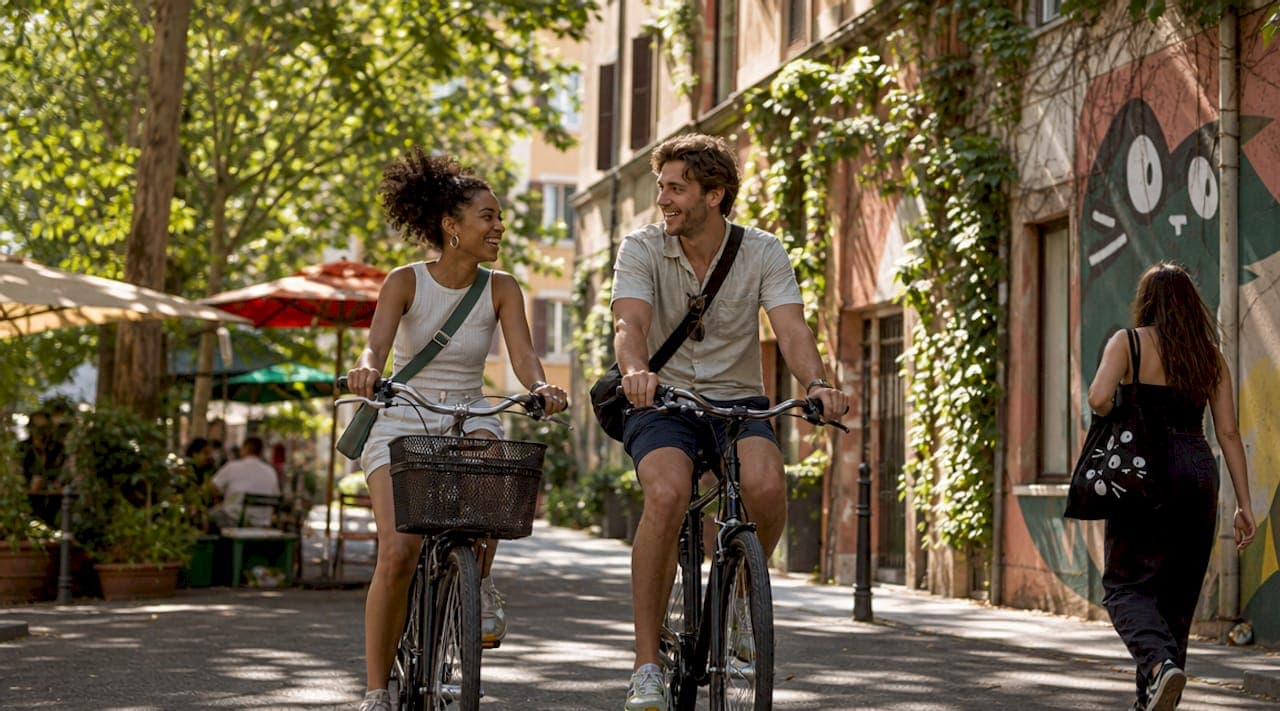
A guided bike tour is the most efficient way to build a mental map of a new city in just two to three hours. The standard term for this approach is "spatial orientation," and cycling city tours deliver it faster than any walking tour or transit ride. You cover more ground than on foot, you move slowly enough to absorb context, and a local guide connects the dots between districts, landmarks, and the logic of how the city is laid out. For travelers with one or two days in a city, that combination is hard to beat.
How do guided bike tours help newcomers understand a city's layout?
The core value of using a bike tour as city orientation is not the sightseeing. It is the mental map you build by moving through the city at a pace that lets geography register. Walking covers too little ground. A taxi covers too much, too fast. A bike sits exactly in between.
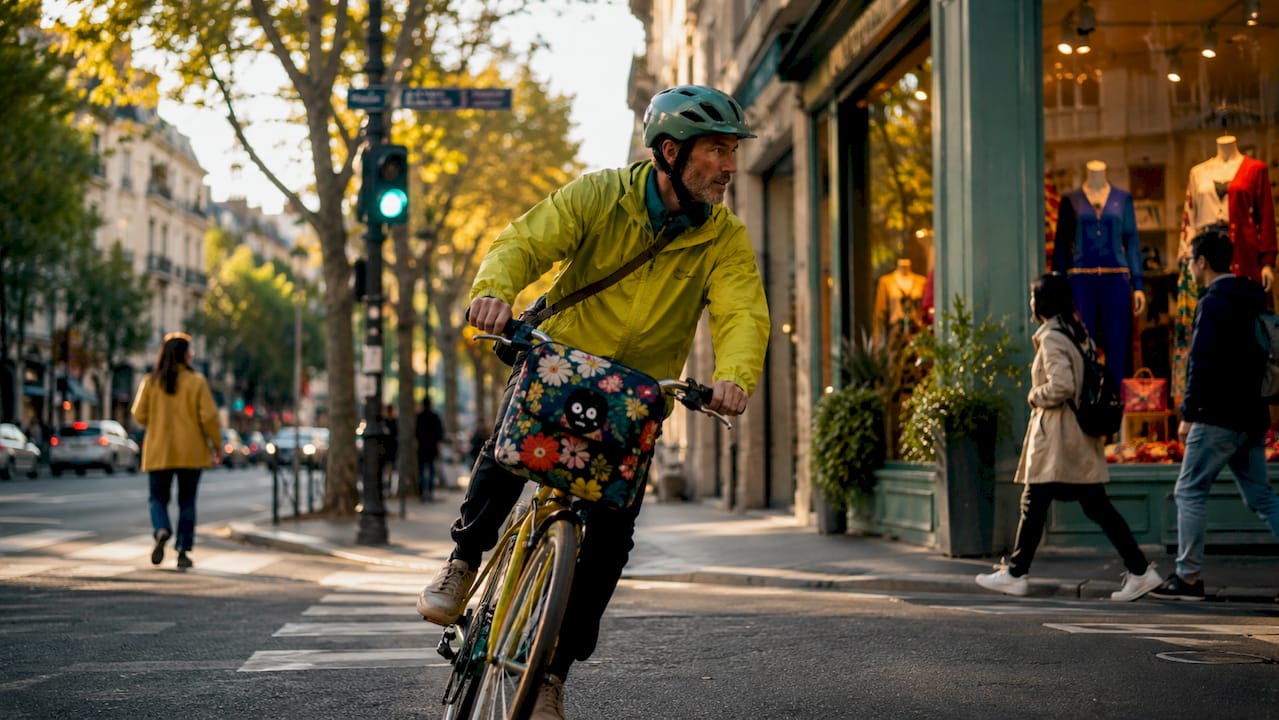
Guides pre-select routes that avoid inefficient detours and reduce stress. The Amsterdam tour that starts near Leidseplein, for example, threads through the canal ring in a deliberate sequence so you understand how the concentric waterways relate to each other. The Vilnius orientation route runs 70% on sidewalks and low-traffic streets, with 30% on dedicated paths, keeping attention on the city rather than traffic. These are not arbitrary choices. They are the result of a guide knowing which sequence of streets produces the clearest picture of the city's structure.
What separates a good orientation tour from a sightseeing loop is the explanation of connections. Effective guides explain geographic relationships: where the river sits relative to the old town, which bridge connects the two main neighborhoods, how the commercial corridor feeds into the residential grid. Understanding geographic connections like rivers, bridges, and corridors gives you a framework for independent navigation after the tour ends. A list of landmarks does not.
"After two hours on a bike with a guide who actually lives here, you stop feeling like a tourist reading a map and start feeling like someone who knows where they are."
The role of a city bike tour for newcomers goes further than landmarks. Guides repeat spatial anchors throughout the ride: "We are now north of the market," "This is the boundary between the old quarter and the port." That repetition reinforces the mental map in a way that a single glance at Google Maps never does. By the end of a three-hour ride, most travelers can navigate independently with confidence.
- Routes are pre-filtered to avoid dead ends, construction zones, and confusing intersections
- Guides explain district relationships, not just individual sights
- Landmark framing is repeated to reinforce spatial memory
- Low-traffic streets keep cognitive load low so orientation actually sticks
- Guides connect landmarks into a narrative that clarifies city structure and culture
What should you bring on a guided city bike tour?
Operators supply the bike, helmet, and briefing. They do not supply your water, your sunscreen, or your judgment about the weather. Arriving prepared means you spend the ride paying attention to the city, not managing discomfort.
The practical checklist is short. Pack these essentials before you leave your accommodation:
- Water bottle, at least 500ml, filled before you arrive
- Sunscreen applied before the tour, not during
- Sunglasses, especially for morning or afternoon rides when sun angle is low
- A light layer, jacket or long-sleeve shirt, for shade or wind
- Charged phone with a power bank as backup
- A basic first aid kit if you have specific medical needs
- Screenshot of the meeting point confirmation and operator contact number
The phone point deserves emphasis. Screenshot your confirmation and the meeting map before you leave. Roaming data fails, Wi-Fi is unreliable near popular meeting points, and arriving five minutes late to a group of nine people is a poor start. Managing meeting point logistics before the tour significantly reduces anxiety and late starts for the whole group.
Pro Tip: Arrive ten minutes early. Meeting points in cities like Barcelona or Paris are often near busy transit hubs. Give yourself time to find the exact spot, not just the general area.
Bike type affects what you wear. A city hybrid or e-bike on flat terrain requires no special gear. If the tour uses mountain bikes or covers significant elevation, closed-toe shoes and slightly more padding make a real difference. Ask the operator in advance. For families, the preparation checklist differs slightly, with more attention to children's hydration and saddle height.
Pack light. A small daypack or handlebar bag works. A rolling suitcase does not. Everything you carry, you carry on the bike.
How to choose the right guided bike tour for orientation
Not all city bike tours are designed for orientation. Some are themed rides, some are fitness-focused, and some are essentially moving pub crawls. For spatial orientation, you want a tour that prioritizes route logic and local context over entertainment.
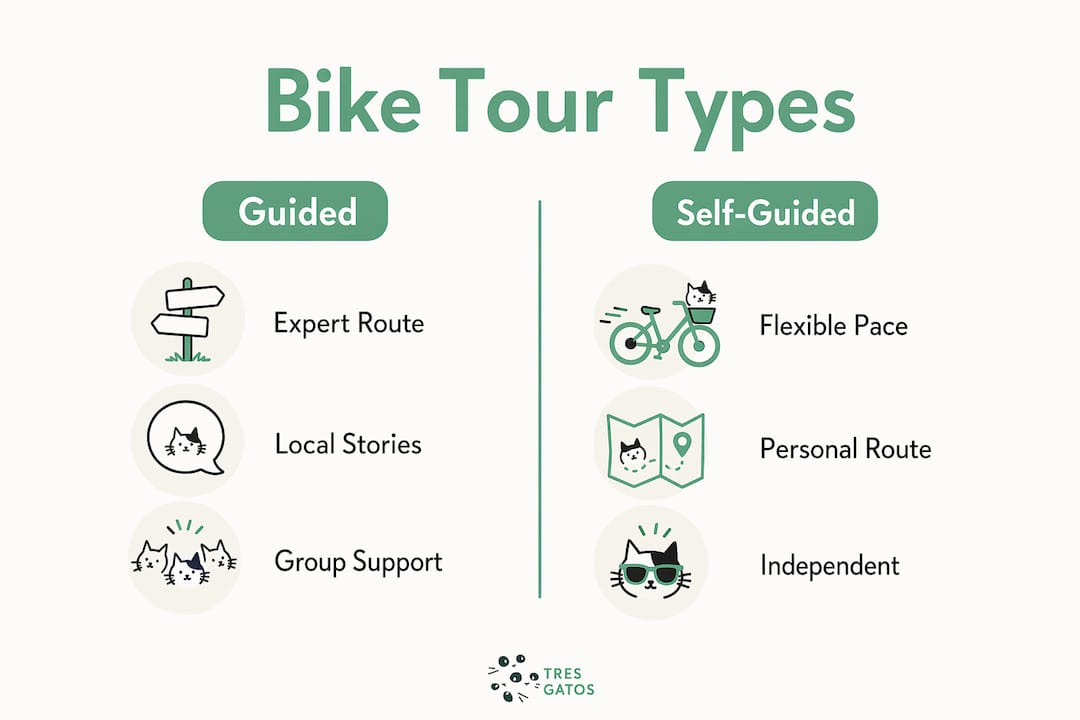
The table below compares the two main formats travelers choose between:
| Format | Guided tour | Self-guided ride |
|---|---|---|
| Route selection | Pre-planned by a local expert | Chosen by the traveler |
| Orientation value | High: guide explains connections | Low to medium: depends on map quality |
| Traffic management | Guide handles group safety | Rider manages independently |
| Local context | Stories, history, district logic | None unless you research in advance |
| Pace | Set by guide, with stops | Set by rider |
| Best for | First-time visitors, limited time | Returning visitors, confident cyclists |
Beginner-friendly tours typically last two to three hours, maintain a leisurely pace, and use frequent stops for storytelling. Routes avoid heavy traffic and steep hills, making them accessible to riders of varying ability. That format is exactly what orientation requires: enough time to absorb the city, not so much that fatigue sets in.
Tour length and group size matter more than most travelers realize. A group of 20 people moves slowly, stops frequently, and gives the guide almost no time for individual questions. A group of 8 or 9 moves at a natural pace and allows real conversation. When assessing a tour, check the maximum group size before booking.
Price transparency is also a useful signal. A Vilnius orientation tour, for example, runs €29 for roughly 2.5 hours covering 14 km. That kind of clear pricing, with time and distance stated upfront, suggests an operator who has thought carefully about the experience. Vague pricing often signals a vague product.
For travelers who want to cover iconic sites efficiently, a guided tour with a local resident as guide is consistently more effective than a self-guided app route. The app shows you where things are. The guide shows you why they matter and how they connect.
What are the best tips for staying safe and getting the most from your tour?
Tour guides act as buffers managing group safety in traffic, which frees you to focus on orientation rather than road decisions. That is the structural advantage of a guided ride over solo cycling. Use it.
A few habits make the difference between a good tour and a great one:
- Ride behind the guide, not beside them. The guide is reading traffic ahead. You should be reading the city.
- Follow the guide's hand signals immediately. In mixed traffic, a half-second delay creates gaps that cars fill.
- Stay hydrated. A two-hour ride in Barcelona in June means you will sweat more than you expect.
- Take photos at stops, not while moving. You will not remember the blurry ones anyway.
- Ask questions at stops. Good guides expect them and often give their best context in response to a direct question.
Pro Tip: Before the tour starts, tell your guide your specific interests. If you want to understand the city's neighborhoods more than its monuments, say so. A good guide adjusts in real time.
For safe group cycling on busy city streets, positioning within the group matters. Stay close enough to keep the group together, but leave enough space to brake without incident. Most operators brief you on this before departure. Pay attention to that briefing. It is not formality.
The orientation payoff comes after the tour, when you walk out of your hotel the next morning and already know which direction the old town is, where the market sits relative to the waterfront, and which street leads back to your neighborhood. That knowledge is what biking for urban orientation actually delivers.
Key takeaways
A guided bike tour is the fastest way to build a working mental map of a new city, combining spatial coverage, local context, and low-stress navigation in a single two to three hour ride.
| Point | Details |
|---|---|
| Mental map formation | Guides repeat spatial anchors throughout the ride to reinforce district relationships. |
| Route quality matters | Pre-filtered routes on low-traffic streets keep cognitive load low so orientation sticks. |
| Preparation is simple | Water, sunscreen, charged phone, and a screenshot of the meeting point cover most situations. |
| Group size affects quality | Tours with 8 to 9 riders allow real conversation and a natural pace. |
| Guided beats self-guided | Local guides explain geographic connections that no map or app replicates. |
Why I think the first two hours in a city are the most important ones
I have started more city visits than I can count with a bike tour, and the pattern is always the same. The first morning without one, you wander. You find one good street and then loop back to it because it is the only one you know. The first morning after a bike orientation, you move with a completely different confidence. You know where north is. You know which neighborhood is which. You know the guide's name and you remember the story about the square.
What surprises most people is how much the stories help with navigation. When a guide tells you that the market was built on the site of a medieval gate, you remember the market differently. It becomes a landmark with weight, not just a dot on a map. That is what guides provide beyond landmarks: a narrative that makes the city legible.
My honest recommendation is to do the guided tour on day one, then rent a bike on day two and ride the same route alone. The second ride is where the orientation fully lands. You notice what you missed, you stop where you want, and you already know the city well enough to go slightly off-route without getting lost. The guided tour is the foundation. The solo ride is where you build on it.
The travelers I have seen get the most from a city are the ones who resist the urge to figure everything out independently from the start. There is no prize for arriving without help. There is, however, a real pleasure in feeling at home in a city by the end of day one.
— Evgeny
Start your orientation in Barcelona or Paris with Tresgatos
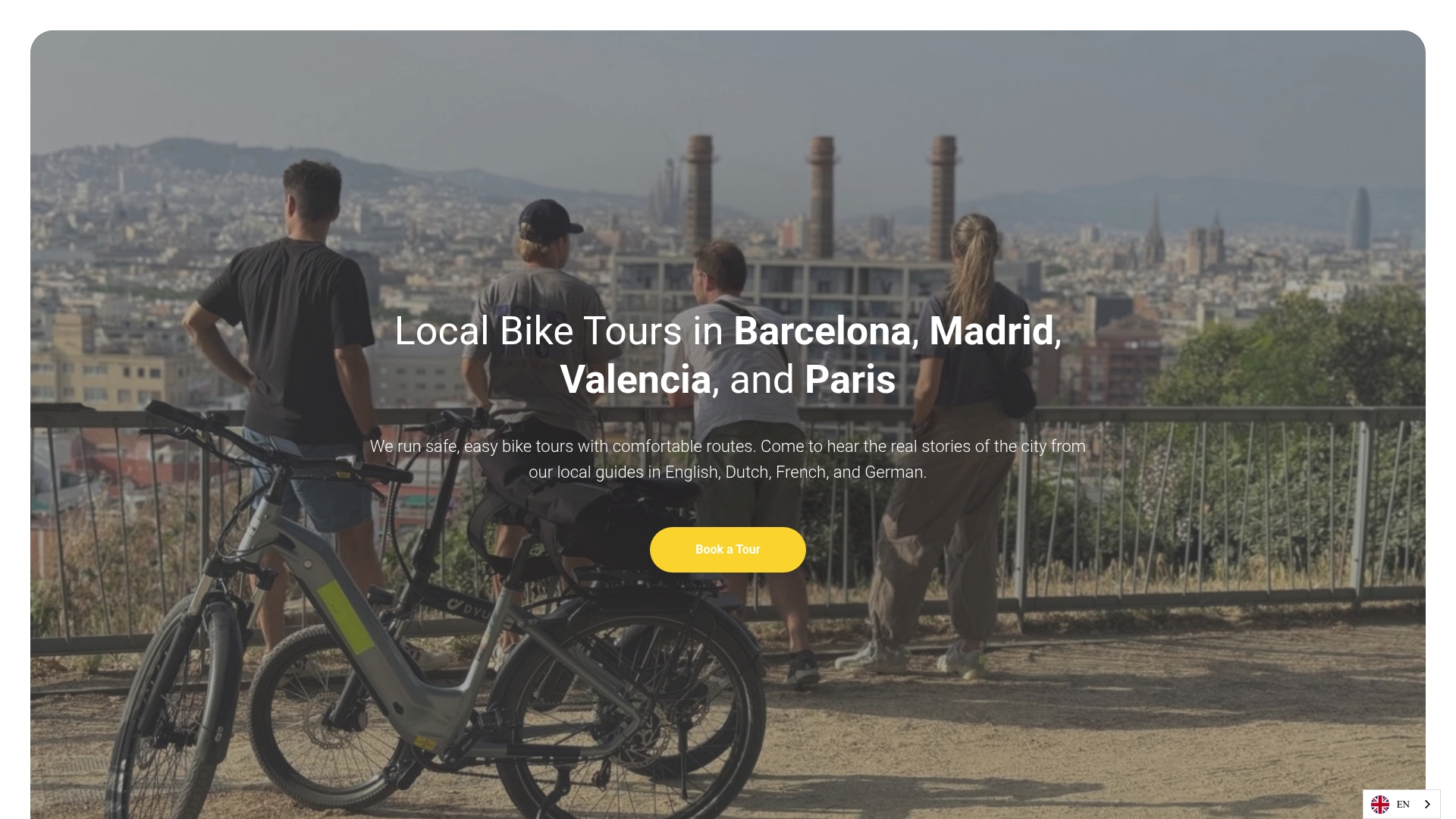
Tresgatos runs three-hour bike tours in Barcelona and Paris, with groups of no more than nine people and one guide who actually lives in the city. The bike, helmet, and insurance are included. There are no hidden surcharges. The guides, Igor, Pierre, Kevin, and Marina among them, are the reason 578 reviewers mention names rather than routes. If you want to feel oriented in a city by lunchtime on day one, book a Barcelona or Paris tour and show up ten minutes early. The rest follows naturally. For Barcelona specifically, the Barcelona bike tour covers top sights and local context in a single ride designed for first-time visitors.
FAQ
What is a city bike tour used for orientation?
A city bike tour used for orientation is a guided cycling ride designed to help travelers build a spatial understanding of a city's districts, landmarks, and layout. Guided tours compress the city learning curve, making them especially effective for travelers with only one or two days available.
How long does a typical orientation bike tour last?
Most beginner-friendly city bike tours last two to three hours at a leisurely pace, with frequent stops for context and storytelling. That duration is enough to cover the main districts without fatigue.
Do I need cycling experience for a guided city bike tour?
No prior experience is required for most urban orientation tours. Routes are planned on low-traffic streets and bike paths, and guides manage group safety so riders can focus on the city rather than traffic.
What is the difference between a guided and self-guided city bike tour?
A guided tour provides a local expert who explains district connections, manages traffic, and adjusts the narrative to the group. A self-guided ride gives you freedom but no local context, making it better suited to returning visitors than first-time orientation.
How do I prepare for my first guided city bike tour?
Bring water, sunscreen, sunglasses, a light layer, and a charged phone. Screenshot your meeting point confirmation before leaving your accommodation, and arrive ten minutes early to find the exact location without stress.