
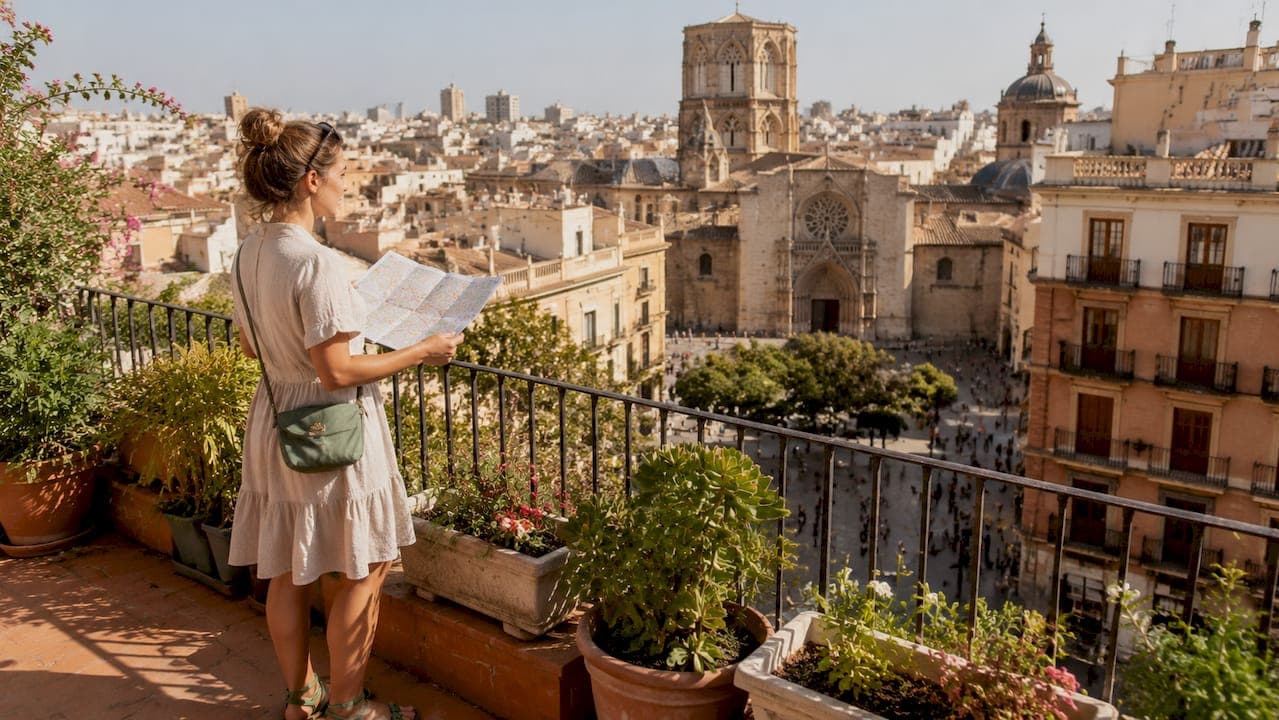
Valencia splits cleanly into three sightseeing clusters for first-time visitors: the historic Old Town, the futuristic City of Arts and Sciences complex, and the coastal stretch from Malvarrosa beach to Albufera Natural Park. Planning your first visit to Valencia around what to see in each zone cuts transit time, reduces decision fatigue, and leaves room to actually enjoy the city. The three-cluster approach is the most practical framework for newcomers, and this guide walks you through each one.
1. What are the must-see landmarks in Valencia's Old Town?
The Old Town is where most first-timers should start. Valencia Cathedral, Plaza de la Virgen, Mercado Central, and La Lonja de la Seda sit within easy walking distance of each other. You can cover all four in a single morning if you start early.
Valencia Cathedral and El Miguelete
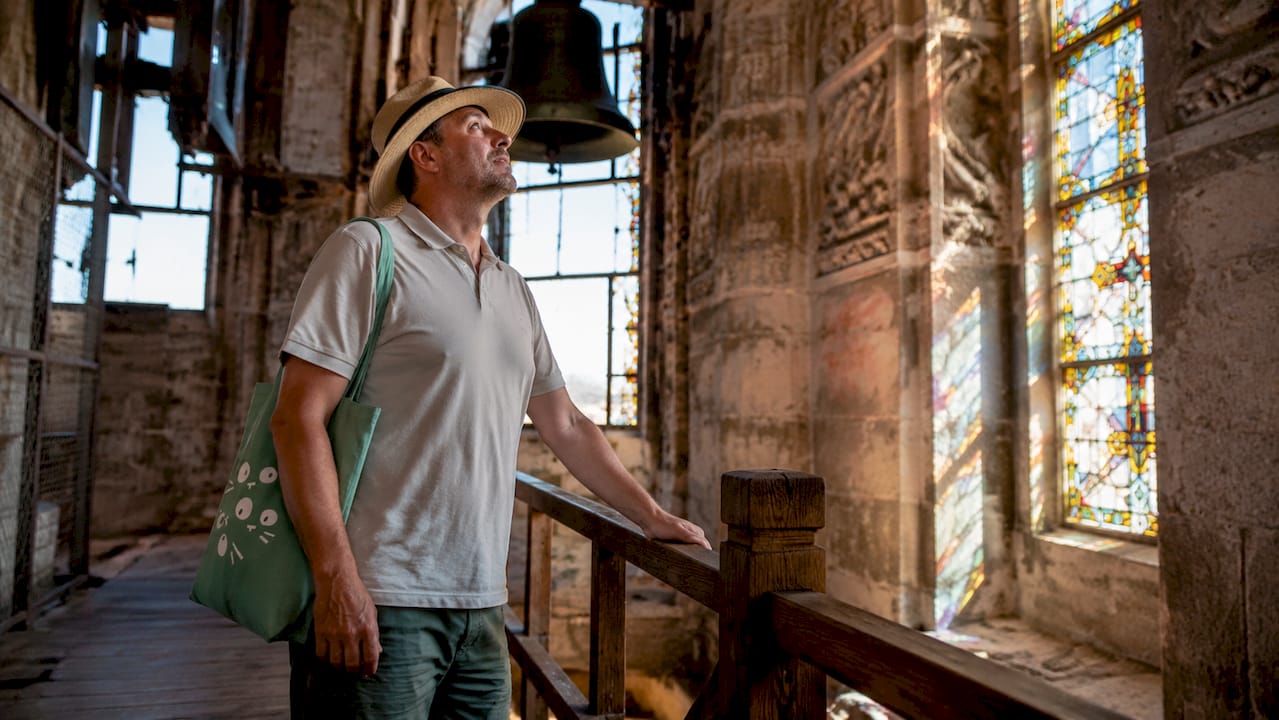
Valencia Cathedral anchors the Old Town both physically and historically. The bell tower, El Miguelete, offers panoramic views over the city's terracotta rooftops and is worth the climb. The cathedral also houses what many locals and pilgrims consider the Holy Grail, a medieval chalice displayed in a dedicated chapel. Whether or not you find that claim convincing, the interior is genuinely striking.
Plaza de la Virgen and Plaza de la Reina
These two plazas connect the cathedral to the rest of the Old Town and serve as natural gathering points. Plaza de la Virgen has a central fountain and is flanked by the Basilica de la Mare de Deu dels Desemparats. Plaza de la Reina is more commercial but gives you a clear view of the cathedral's facade. Both are best experienced before 10:00, when the light is good and the crowds are thin.
Mercado Central
Mercado Central is one of the largest covered markets in Europe and a genuine working food market, not a tourist set piece. It opens Monday through Saturday, 7:30–15:00, and entry is free. The market is most crowded between 9:00 and 12:00. Arriving before 9:00 gives you the market at its best: vendors setting up, locals buying produce, and a calm you won't find at midday.
La Lonja de la Seda
La Lonja de la Seda is a UNESCO World Heritage site built between 1482 and 1548. Entry costs €2, reduced to €1 for students and seniors, and is free on Sundays and holidays. Guided tours run at €8, audio guides at €4. Plan at least 45–75 minutes here. The stone columns in the main trading hall are among the finest examples of Gothic civic architecture in Spain, and a rushed visit misses the point entirely.
- Start at Mercado Central before 9:00 for breakfast and a look at the stalls
- Walk to La Lonja de la Seda, which opens at 9:30 on most days
- Continue to Plaza de la Virgen and the Cathedral before the tour groups arrive
- El Miguelete tower climb takes about 20 minutes and rewards you with a clear city view
Pro Tip: Visit La Lonja on a Sunday for free entry. Pair it with the Cathedral and you have a full Old Town morning at almost no cost.
2. Why is the City of Arts and Sciences worth a full afternoon?
The City of Arts and Sciences is the defining image of modern Valencia. Designed by Santiago Calatrava, the complex spans over 350,000 square meters and contains four main venues. The architecture alone justifies the visit, but the venues inside are genuinely good.
The main venues at a glance
| Venue | What it is | Time needed | Ticket price |
|---|---|---|---|
| Oceanogràfic | Europe's largest aquarium | 2–3 hours | €8–€11 |
| Hemisfèric | IMAX cinema and planetarium | 1 hour | Varies by show |
| Museu de les Ciències | Interactive science museum | 1–2 hours | Included in combo |
| Palau de les Arts | Opera and performing arts venue | Event-dependent | Varies |
The Oceanogràfic is the standout. It holds sharks, beluga whales, and a Mediterranean tunnel that most visitors remember long after the trip. The Hemisfèric runs IMAX films and planetarium shows throughout the day. The science museum works well if you have children or a genuine interest in interactive exhibits. The Palau de les Arts requires a separate event ticket.
Combination tickets run around €38 and cover multiple venues. They look like good value on paper, but only if you have a full day and the stamina for it.
- Choose one or two venues before you arrive. Trying to do all four in one visit leads to a rushed, tiring afternoon.
- The Oceanogràfic alone takes 2–3 hours to see properly.
- Book tickets online in advance, especially in summer, to avoid queues at the entrance.
- The exterior of the complex is free to walk through and photograph at any time.
Pro Tip: If you only have half a day, pick the Oceanogràfic and spend the remaining time walking the exterior. The Calatrava architecture is the experience, not just the backdrop.
3. What beach and natural spots belong on a first-timer's Valencia list?
Valencia's coastline is closer to the city center than most visitors expect. Malvarrosa and El Cabanyal beaches are reachable by tram from the Old Town in under 20 minutes. They are long, sandy, and backed by a promenade with seafood restaurants serving paella and fresh fish.
El Cabanyal is the neighborhood directly behind the beach. It has a distinct character, with tiled facades, local bars, and a market of its own. It is worth walking through rather than heading straight to the sand.
Albufera Natural Park
Albufera sits about 10 kilometers south of the city and is the origin of Valencian rice dishes, including paella. The park holds a large freshwater lagoon, rice fields, and a network of channels. Boat tours timed around sunset are the standard way to see it, and they are genuinely worth the trip. The light over the lagoon in the late afternoon is the kind of thing that makes people extend their stay.
- Take the tram from Torres Serranos or the city center to Malvarrosa. It runs frequently and costs under €2.
- Albufera is best reached by bus from the Colón area or by taxi. The ride takes 20–30 minutes.
- Time your Albufera visit for late afternoon, arriving by 17:00 to catch the boat tour and stay for sunset.
- Restaurants near the park serve rice dishes at lunch. Booking ahead on weekends is worth doing.
Pro Tip: Combine Malvarrosa in the morning with Albufera in the late afternoon. You get the beach at its quietest and the lagoon at its most photogenic, all in one day.
4. How to plan an efficient first-visit itinerary in Valencia
Grouping visits by neighborhood is the single most effective way to reduce transit and fatigue. The three clusters are geographically distinct, and trying to mix them within a single day creates a lot of unnecessary movement.
Suggested time blocks by trip length
| Trip length | Day 1 | Day 2 | Day 3 |
|---|---|---|---|
| One day | Old Town: Cathedral, La Lonja, Mercado Central | — | — |
| Two days | Old Town morning, Turia Gardens afternoon | City of Arts and Sciences | — |
| Three days | Old Town | City of Arts and Sciences | Beach and Albufera |
Turia Gardens as your connector
Turia Gardens is a 110-hectare park built on a diverted riverbed after the 1957 flood. It runs from the Old Town all the way to the City of Arts and Sciences, making it the most logical route between the two clusters. Walking or cycling through it takes about 30–40 minutes and is far more enjoyable than taking a bus. Treat it as a corridor, not a detour.
- Start mornings at indoor or ticketed attractions before heat and crowds build.
- Use Turia Gardens on foot or by bike to move between Old Town and the City of Arts and Sciences.
- Save beach and Albufera visits for afternoons and evenings when the light is best.
- Avoid mixing clusters on the same day unless you have a bike and a relaxed schedule.
- Check opening hours before you go. Several Old Town sites close on Mondays or have reduced Sunday hours.
For a local perspective on the route, a guided bike tour through the Old Town and Turia Gardens corridor covers the key sights efficiently and gives you context that a map cannot.
5. What mistakes do first-timers most often make in Valencia?
Trying to see everything in one day is the most common error. Splitting the city into zones and time blocks produces a far better experience than racing between landmarks.
- Arriving at Mercado Central at 10:00. The market is at peak crowd between 9:00 and 12:00. Go before 9:00 or after 13:00.
- Booking all four City of Arts and Sciences venues. One or two is enough. Decision overload leads to rushed visits and diminishing returns.
- Treating Turia Gardens as optional. It is the most pleasant route between the Old Town and the modern complex, and it is free.
- Eating lunch at 13:00. Valencians eat lunch between 14:00 and 16:00. Restaurants are quieter and better staffed if you adjust your timing.
- Skipping El Cabanyal. The beach neighborhood has more character than the promenade itself and is worth 30 minutes on foot.
"The visitors who enjoy Valencia most are the ones who slow down. They pick three things per day, eat when locals eat, and let the city come to them."
Early timing at major historic sites is the most consistent piece of advice from experienced travelers. The Cathedral, La Lonja, and Mercado Central all reward an early start.
Key takeaways
Valencia's first-time visitors get the most from the city by organizing their days around three distinct clusters: Old Town, City of Arts and Sciences, and the coastal and natural areas.
| Point | Details |
|---|---|
| Use the three-cluster approach | Group Old Town, City of Arts and Sciences, and beach visits into separate days or half-days. |
| Start mornings early | Mercado Central, La Lonja, and the Cathedral are best before 10:00 when crowds are light. |
| Limit City of Arts and Sciences venues | Pick one or two venues per visit to avoid fatigue. Oceanogràfic alone takes 2–3 hours. |
| Walk or bike Turia Gardens | The 110-hectare park connects Old Town to the modern complex and is the best route between them. |
| Time Albufera for late afternoon | Sunset boat tours on the lagoon are the most rewarding way to end a day in Valencia. |
Why the cluster approach changed how I see Valencia
The first time I visited Valencia, I tried to do everything in two days. I crossed the city four times, ate lunch at 12:30 because I was hungry and confused, and left feeling like I had seen a lot without understanding any of it.
The second visit, I organized around the three clusters. Old Town in the morning, Turia Gardens by bike in the afternoon, City of Arts and Sciences the next day, beach and Albufera on the third. That structure gave each place room to land. Mercado Central felt like a real market, not a checkpoint. La Lonja felt like a building worth sitting in, not just photographing.
The food near Mercado Central is worth lingering over. There are small bars on the surrounding streets that serve breakfast and coffee to market workers. That is where you want to be at 8:30, not at a hotel buffet.
The City of Arts and Sciences surprised me. I expected it to feel like a theme park. It does not. The Calatrava exterior is genuinely striking, and the Oceanogràfic is one of the better aquariums I have been to in Europe. Give it a full afternoon.
For the beach and Albufera combination, go late. The lagoon at golden hour is the kind of thing you remember. The boat tour is slow and quiet and completely at odds with the pace of the city, which is exactly the point.
If you want to move through the Old Town with someone who actually knows it, a bike tour of the historic center covers the key sights at a pace that lets the place register.
— Evgeny
See Valencia by bike with a guide who lives here

Tresgatos runs small-group bike tours in Valencia with guides who actually live in the city. Max nine people, three hours, one guide who knows which streets to take and which ones to skip. The route covers the Old Town, Turia Gardens, and the City of Arts and Sciences corridor, which is exactly the cluster structure this article recommends. Bike, helmet, and insurance are included. No surcharges at the end. If you want to see the city with someone who can answer a real question about it, book a Valencia bike tour with Tresgatos and start your visit the right way.
FAQ
What should I see first on my first visit to Valencia?
Start with the Old Town cluster: Mercado Central, La Lonja de la Seda, and Valencia Cathedral. These three landmarks sit within walking distance of each other and are best visited before 10:00.
How many days do I need to see Valencia properly?
Three days covers the main clusters without rushing. One day for Old Town, one for the City of Arts and Sciences, and one for the beach and Albufera Natural Park.
Is the City of Arts and Sciences worth the ticket price?
Yes, if you pick one or two venues rather than trying to do all four. The Oceanogràfic alone takes 2–3 hours and is Europe's largest aquarium. Combination tickets cost around €38.
When is the best time to visit Mercado Central?
Before 9:00 or after 13:00 on weekdays. The market runs Monday through Saturday, 7:30–15:00, and is most crowded between 9:00 and 12:00. Entry is free.
How do I get from the Old Town to the City of Arts and Sciences?
Walk or bike through Turia Gardens. The 110-hectare park runs directly between the two areas and takes about 30–40 minutes on foot. It is the most pleasant route and costs nothing.