
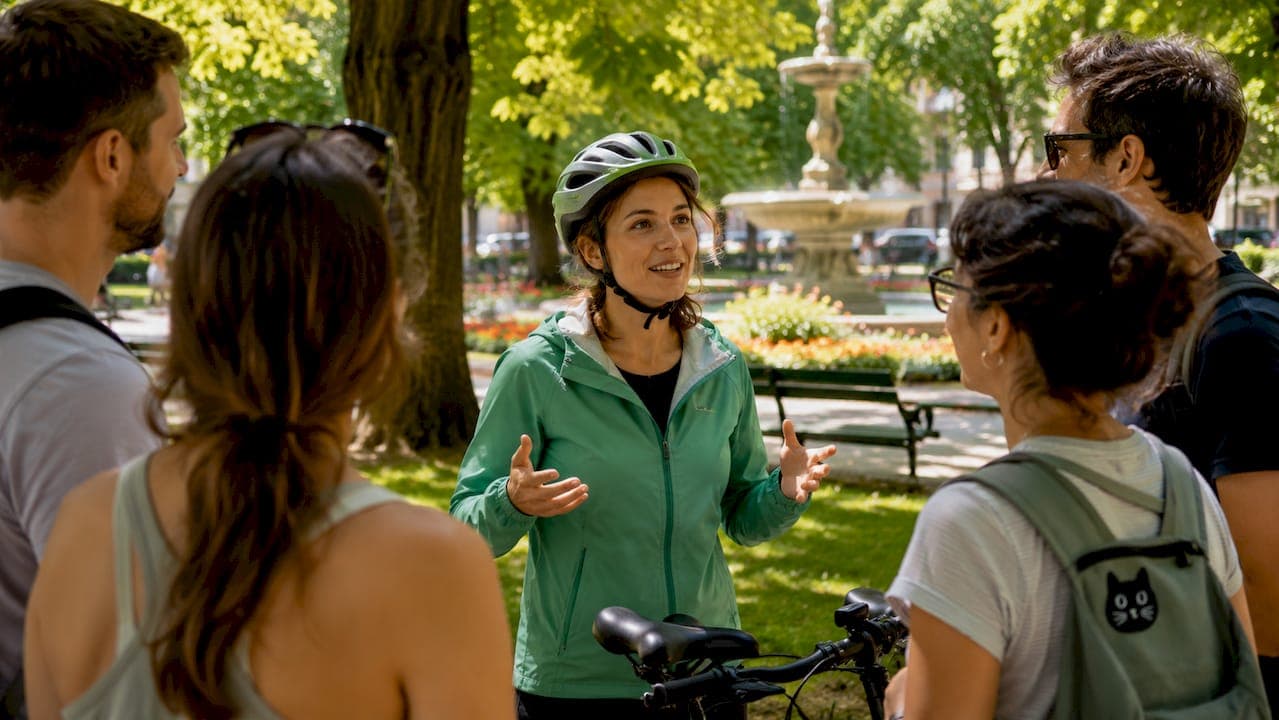
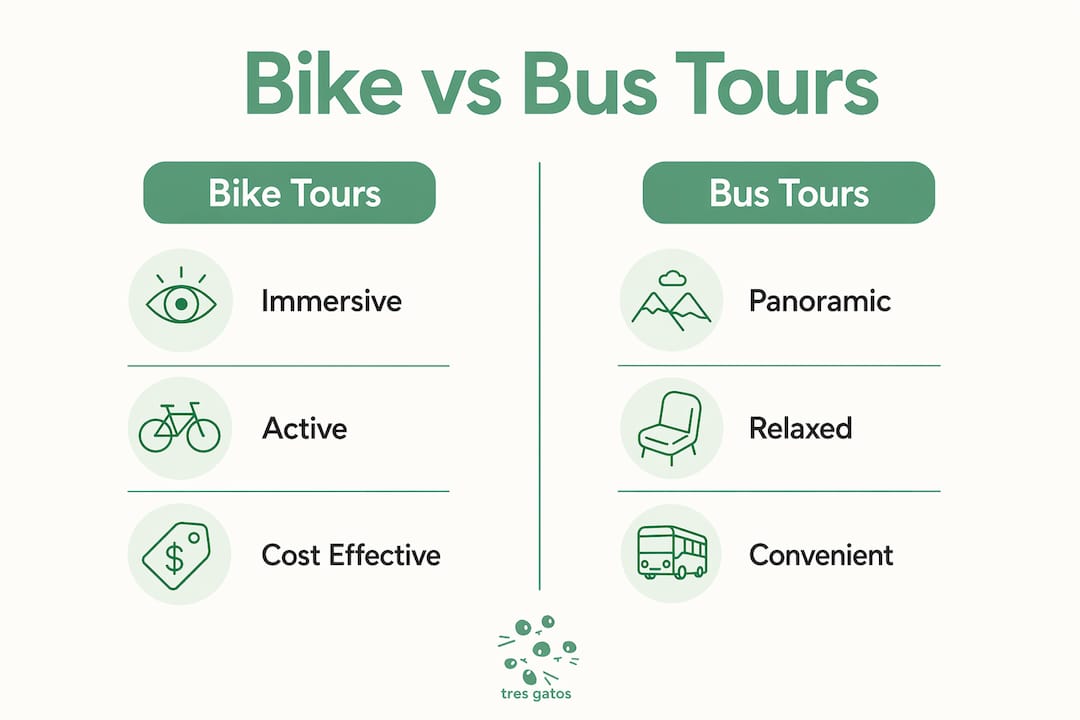
Bike tours are defined by physical immersion in a city, while bus tours deliver a panoramic view from behind glass. That single distinction shapes everything: what you smell, who you talk to, how much you pay, and what you remember three weeks later. Understanding how bike tours differ from bus tours helps you pick the format that actually matches your energy, your schedule, and what you want to take home from a city. Both formats have real value. Neither is universally better. But they are genuinely different experiences, and confusing them leads to disappointment in both directions.
How bike tours differ from bus tours in sensory experience
The kinetic, immersive experience of a bike tour is its defining quality. You feel the cobblestones under your wheels on the Passeig de Gràcia. You catch the smell of bread from a boulangerie on a side street in Le Marais. You hear the city at street level, not filtered through double-glazed windows and a speaker system. A hop-on hop-off bus gives you a wide-angle view of the skyline, which is genuinely useful. It does not give you the city.
The commentary difference is sharper than most travelers expect. Bus tours use pre-recorded audio that runs on a fixed loop regardless of what is happening around you. A bike tour guide, by contrast, can stop mid-route because a local market just opened, or because someone in the group asks a question that leads somewhere genuinely interesting. That adaptability is not a small thing. It is the difference between a script and a conversation.
Duration also separates the two formats. Hop-on hop-off circuits typically run 90 to 120 minutes for a full loop without stopping; guided bike tours run two to four hours and cover neighborhood-level depth rather than landmark-to-landmark distance. That extra time is not padding. It is the time it takes to actually absorb a place.
"Bike tours provide medium physical activity and high scenic immersion — a combination that creates a stronger sense of achievement and memory retention than passive touring." — Europe Bike Tours
A few things bike tours give you that bus tours structurally cannot:
- Street-level sound, smell, and texture
- Live, responsive commentary from someone who actually lives in the city
- The physical memory of having moved through a neighborhood yourself
- Spontaneous stops based on what is actually happening that day
How do cost and logistics compare between bike and bus tours?
Price is where the comparison gets more nuanced than most travel blogs admit. Hop-on hop-off bus tickets in cities like Barcelona or Paris typically run €25 to €40 per person for a day pass. Guided bike tours in the same cities usually fall in the €30 to €50 range for a three-hour session. On a per-hour basis, bike tours often deliver more value, though the upfront number looks similar.
The bigger cost gap appears in multi-day touring. Self-guided bike tours cost 20 to 35% less than guided versions because you remove the guide salary and support vehicle from the equation. For a seven-day Prague to Vienna route, self-guided pricing runs roughly €900 to €1,400, while guided versions run €1,400 to €2,200. That gap is meaningful for budget-conscious travelers planning longer trips.
| Factor | Bike tour | Bus tour (hop-on hop-off) |
|---|---|---|
| Typical price per person | €30–€50 (guided, 3 hrs) | €25–€40 (day pass) |
| Schedule flexibility | High — multiple start times | Low — fixed loop schedule |
| Route flexibility | Moderate — guide can adapt | None — fixed circuit |
| Duration | 2–4 hours | 90–120 min full loop |
| Booking lead time | Recommended 1–2 days ahead | Often same-day |
Logistics favor bus tours for spontaneous travelers. You can show up at a stop, buy a ticket, and board within minutes. Bike tours require a meeting point, a group assembly, and a guide briefing. That structure is part of what makes them work, but it does ask more of your schedule.
Pro Tip: If you are visiting a city for only one day, a morning hop-on hop-off loop followed by an afternoon bike tour is a genuinely efficient combination. The bus gives you spatial orientation; the bike tour fills in the texture.
In what ways do social interaction and group dynamics differ?
Group size is the most underrated variable in tour selection. Guided bike tours typically run with 8 to 16 people; hop-on hop-off buses carry 50 to 80 passengers per vehicle. That difference in scale changes the entire social dynamic of the experience.
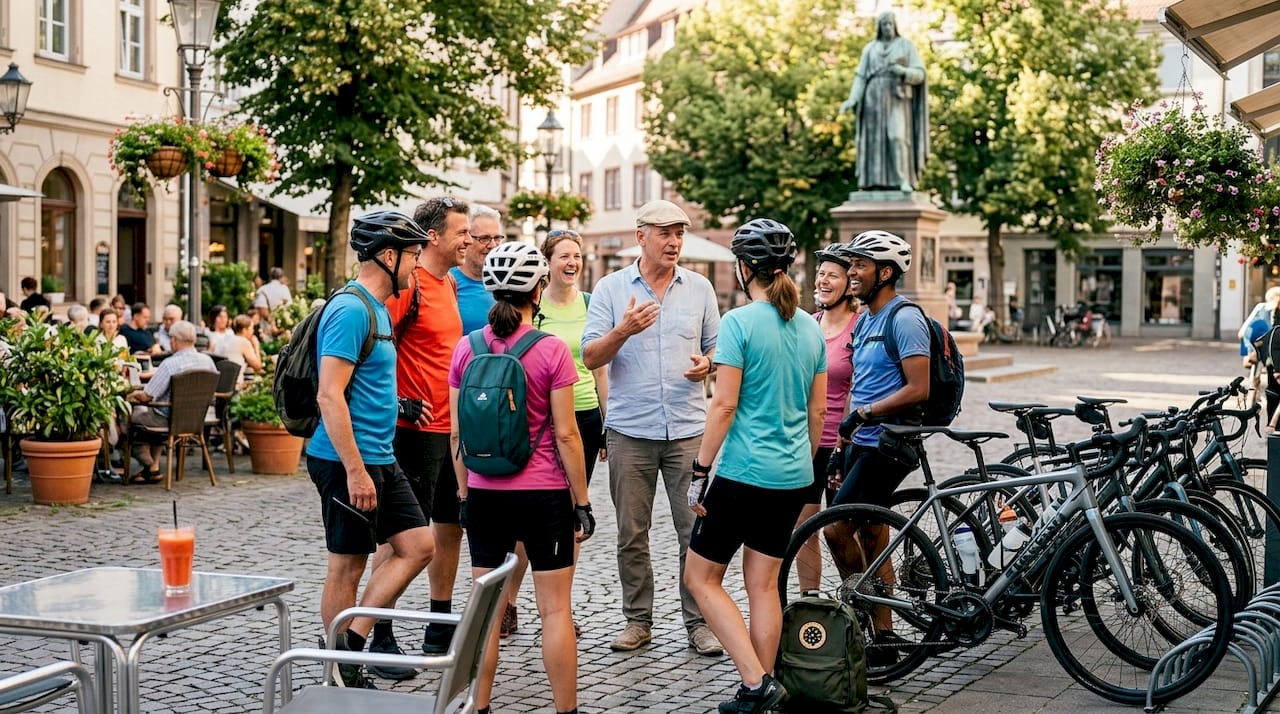
On a bike tour, you are in a small group moving together through the city. You talk to the guide. You talk to the other riders. By the end of three hours, you usually know where everyone is from and where they are eating dinner. That is not a side effect of the format. It is part of what makes it work. Solo travelers in particular report that small-group bike tours are one of the better ways to meet people while traveling, precisely because the shared physical effort creates a natural opening for conversation.
Bus tours are not social experiences in the same way. You sit in your seat, listen to the audio guide through headphones, and watch the city pass by. That is not a criticism. For families with young children, travelers with mobility limitations, or anyone who simply wants a quiet overview of a new city, that format is genuinely useful. But if you are hoping to connect with other travelers or get a real read on a neighborhood, a bus is not the right tool.
Here is what the social experience on a small-group bike tour actually looks like:
- A guide who knows your name by the second stop
- Organic conversation between riders during slower stretches
- Shared reactions to things you see together in real time
- A natural endpoint where the group often continues together for a drink or a meal
What practical considerations make bike or bus tours more suitable?
Physical condition is the most honest filter. Bike tours require moderate physical activity; bus tours require almost none. For travelers with knee problems, limited mobility, or young children in strollers, a hop-on hop-off bus is not a compromise. It is the right choice. Forcing a bike tour on someone who is not physically comfortable on a bike produces a miserable three hours for everyone involved.
For first-time visitors to a city, the sequencing matters more than the format. Guided bike tours help first-timers learn local traffic patterns and cycling etiquette before attempting self-guided rides. This is especially relevant in cities like Barcelona or Amsterdam, where cycling infrastructure is dense and the rules are not always obvious to visitors.
Here is a practical framework for deciding which format fits your situation:
- Physical condition. If cycling for two to three hours in city traffic sounds tiring rather than fun, start with a bus tour.
- Trip length. On a one-day visit, a bus tour covers more ground faster. On a three-day visit, a bike tour on day two gives you depth after the bus has given you orientation.
- Travel style. If you want to feel like you have actually been somewhere rather than seen it, a bike tour delivers that. If you want a visual overview with minimal effort, a bus tour is honest about what it offers.
- Group composition. Mixed-age groups or families with young children often find bus tours more practical. Solo travelers and couples tend to get more from bike tours.
Pro Tip: If you are new to cycling in a foreign city, starting with a guided ride is the fastest way to build confidence before renting a bike independently.
How do bike tours and hop-on hop-off buses complement each other?
The bike tour vs hop-on hop-off bus debate is partly a false choice. Bus tours serve as an efficient orientation tool, while bike tours invite immersion and deeper connection to local life. Used in sequence, they cover different needs without overlapping.
A practical two-day itinerary in Barcelona or Paris might look like this:
- Day 1 morning: Hop-on hop-off bus loop to get your bearings, identify the neighborhoods you want to return to, and see the major landmarks from above
- Day 1 afternoon: Walk or rest, let the overview settle
- Day 2 morning: Guided bike tour through one or two of those neighborhoods at street level, with a local guide filling in the stories the bus audio skipped
This sequence works because the two formats answer different questions. The bus answers "where is everything?" The bike tour answers "what is this place actually like?" Travelers who use both in the right order often report that the bike tour recontextualizes everything they saw from the bus the day before. The Sagrada Família looks different when your guide tells you about the neighborhood around it, not just the building itself.
The combination of bus and bike tours in a single itinerary improves both spatial orientation and cultural understanding. Neither format alone does both jobs well.
Key takeaways
Bike tours deliver sensory immersion and live interaction that bus tours structurally cannot replicate, making format choice a direct function of what kind of experience you want from a city.
| Point | Details |
|---|---|
| Sensory experience | Bike tours engage smell, sound, and physical movement; bus tours offer a visual panorama from behind glass. |
| Cost and logistics | Guided bike tours run €30–€50 for three hours; bus day passes run €25–€40 with no schedule flexibility. |
| Group size and social dynamic | Bike tours run 8–16 people with live guide interaction; bus tours carry 50–80 with fixed audio commentary. |
| Physical suitability | Bus tours suit travelers with mobility limits or low energy; bike tours require moderate fitness. |
| Best combined use | A bus tour on day one for orientation, followed by a bike tour on day two for neighborhood-level depth. |
Why the guide is the real variable
I have been running bike tours in Barcelona and Paris for years, and the question I hear most often is some version of "is a bike tour worth it compared to just taking the hop-on bus?" My honest answer is that the question misses the point. The real variable is not the vehicle. It is the person leading you.
A bus with a good live guide is better than a bike tour with a bad one. But a bus almost never has a live guide. It has a recording. And a recording cannot notice that you just asked a question that deserves a ten-minute detour through a neighborhood that is not on the official route. Igor can. Pierre can. Marina can. That is what you are actually paying for on a bike tour: someone who lives in the city and can read the group in real time.
The travelers who get the least out of bike tours are the ones who treat them like a bus tour on wheels, sitting at the back, headphones in, waiting for the next landmark. The ones who get the most are the ones who ask questions, fall behind a little to look at something, and let the guide take them somewhere unexpected. That is not a personality type. It is a choice you make when you book.
— Evgeny
See a city the way a local does
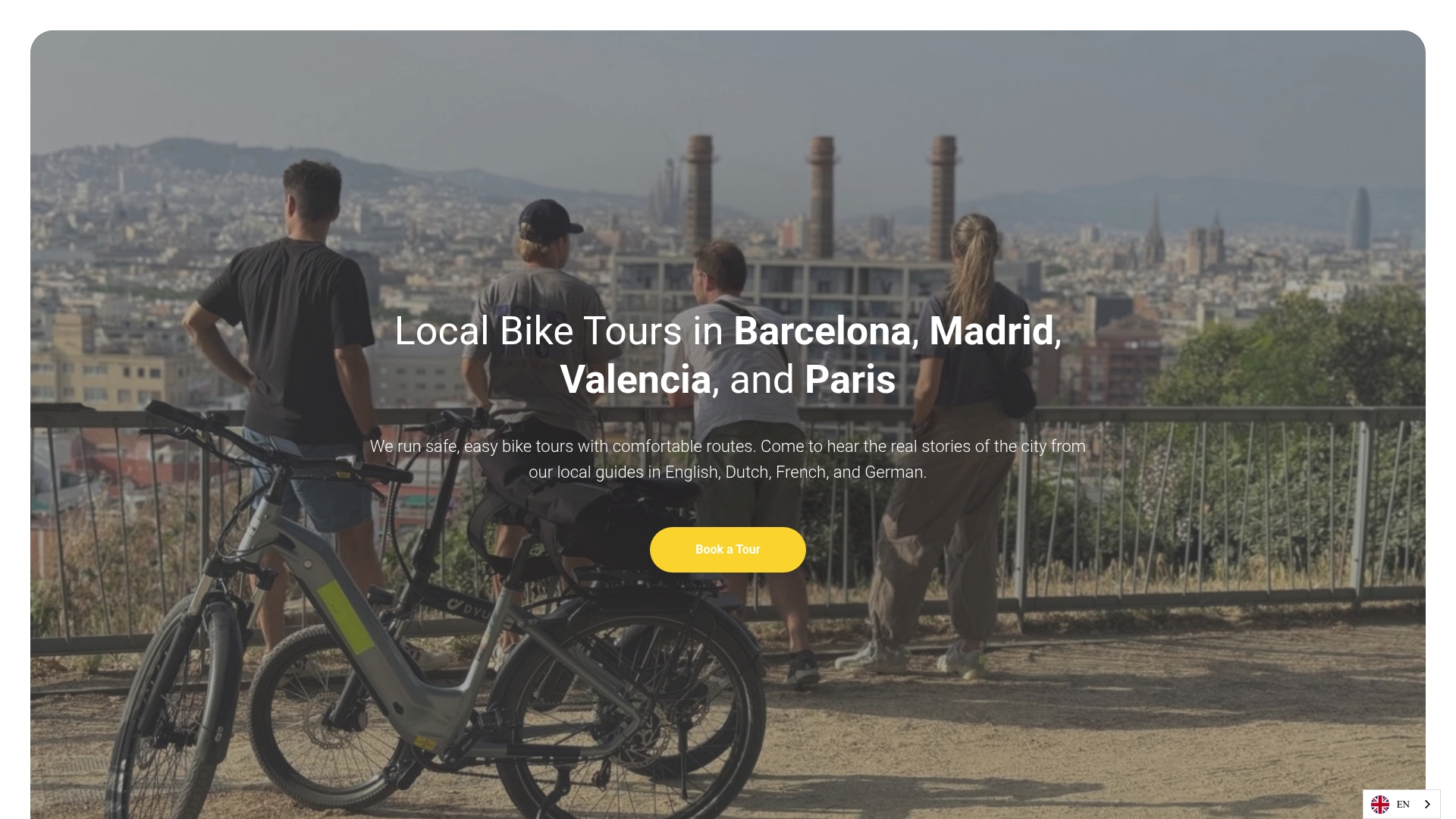
Tresgatos runs three-hour bike tours in Barcelona and Paris, with groups capped at nine people and one guide who actually lives in the city. No recorded audio, no fixed script, no hidden fees. The bike, helmet, and insurance are included. Guides like Igor in Barcelona and Pierre in Paris know their neighborhoods well enough to change the route mid-ride if something better is happening two streets over. If you want to know what Barcelona or Paris feels like from the inside rather than through a window, book a bike tour and see what three hours with a real local actually looks like. Full details and city options at Tresgatos.
FAQ
What is the main difference between a bike tour and a bus tour?
A bike tour places you at street level with a live guide, engaging all your senses as you move through the city. A bus tour provides a panoramic view from inside a vehicle with pre-recorded audio commentary on a fixed route.
Are bike tours more expensive than hop-on hop-off buses?
The prices are comparable. Guided bike tours typically cost €30 to €50 for a three-hour session; hop-on hop-off day passes run €25 to €40. Bike tours generally offer more guide interaction and neighborhood depth per euro spent.
How physically demanding are bike tours compared to bus tours?
Bike tours require moderate physical activity over two to four hours of cycling in city traffic. Bus tours require almost no physical effort, making them more suitable for travelers with mobility limitations or low energy levels.
Can you combine a bike tour and a bus tour in the same trip?
Yes, and the combination works well. A hop-on hop-off bus loop on your first morning gives you spatial orientation across the city; a guided bike tour on a subsequent day fills in the neighborhood-level detail and local context the bus audio skips.
How large are the groups on bike tours versus bus tours?
Guided bike tours typically run with 8 to 16 people, allowing real interaction with the guide and other travelers. Hop-on hop-off buses carry 50 to 80 passengers per vehicle, which limits conversation and personal attention from any guide.