
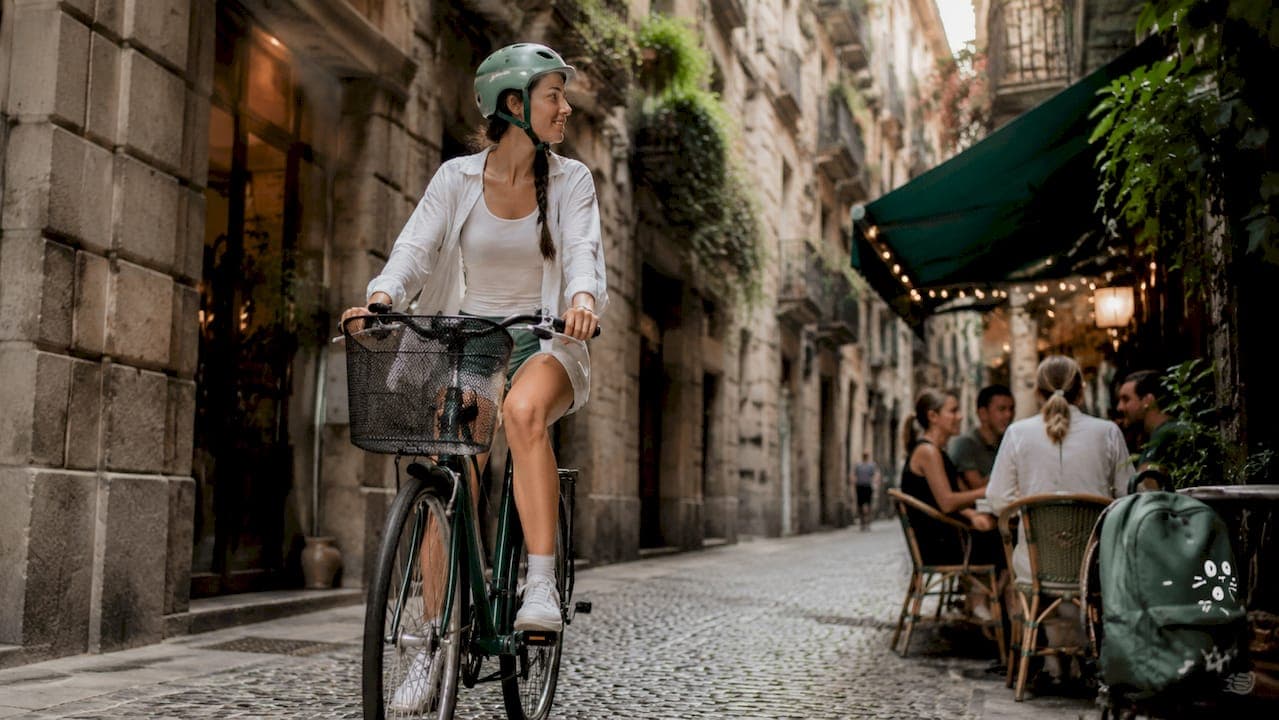
Exploring Barcelona by bike as a beginner is genuinely accessible, safe, and enjoyable when you pick the right routes and understand a few local cycling norms. The city has built one of Southern Europe's most developed cycling networks, with dedicated bike lanes running through major districts and a flat seafront promenade that gives first-timers a low-stress way to cover serious ground. You do not need to be fit, fast, or fearless. You need a comfortable bike, a rough plan, and about three hours.
What are the best beginner-friendly bike routes in Barcelona?
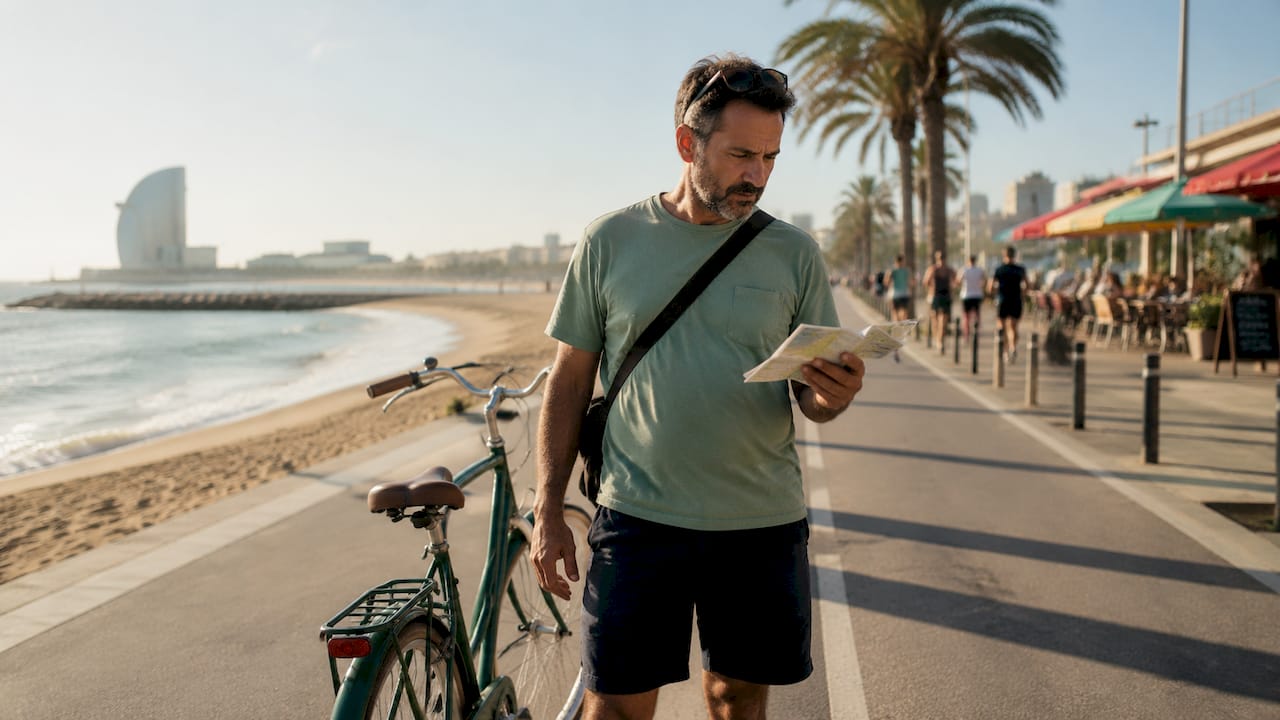
The coastal path from Barceloneta to Port Fòrum is the single best starting point for novice cyclists in Barcelona. Wide paths, minimal elevation change, clear visual landmarks, and good signage make it the most forgiving route in the city. The full stretch runs approximately 8 to 15 km depending on where you start and stop, which means you can tailor the distance to your energy and time.
Here is how the main beginner-friendly options compare:
| Route | Distance | Difficulty | Highlights |
|---|---|---|---|
| Barceloneta to Port Fòrum (seafront) | 8–15 km | Easy | Beach views, wide lanes, flat terrain |
| Arc de Triomf to Parc de la Ciutadella | 2–4 km | Easy | Shaded paths, calm traffic, photogenic stops |
| Eixample grid loop | 5–8 km | Easy to moderate | Passeig de Gràcia, Sagrada Família, protected lanes |
| Montjuïc ascent | 4–6 km | Moderate (e-bike recommended) | Panoramic views, castle, gardens |
The seafront promenade between Barceloneta and the Forum area is the go-to for first-timers. It is flat, wide, and almost entirely separated from car traffic. You pass the W Hotel, the Olympic Port, and the Poblenou waterfront without a single stressful intersection. For a shorter outing, the loop around Parc de la Ciutadella takes under an hour and gives you shaded paths, a lake, and the Arc de Triomf within easy reach.
If you want to cover more of the city, the Eixample grid works well for beginners because dedicated cycle lanes run through the district and reduce exposure to moving traffic. Riding past Sagrada Família and down Passeig de Gràcia on two wheels, at your own pace, is a genuinely different experience from doing it on foot.
Pro Tip: Break any ride into segments of 20 to 30 minutes with a stop at a landmark. Using recognizable spots like the Olympic Port or Arc de Triomf as rest and bailout points keeps navigation stress low and lets you cut the ride short if you need to.
How to choose the right bike and gear for a beginner ride
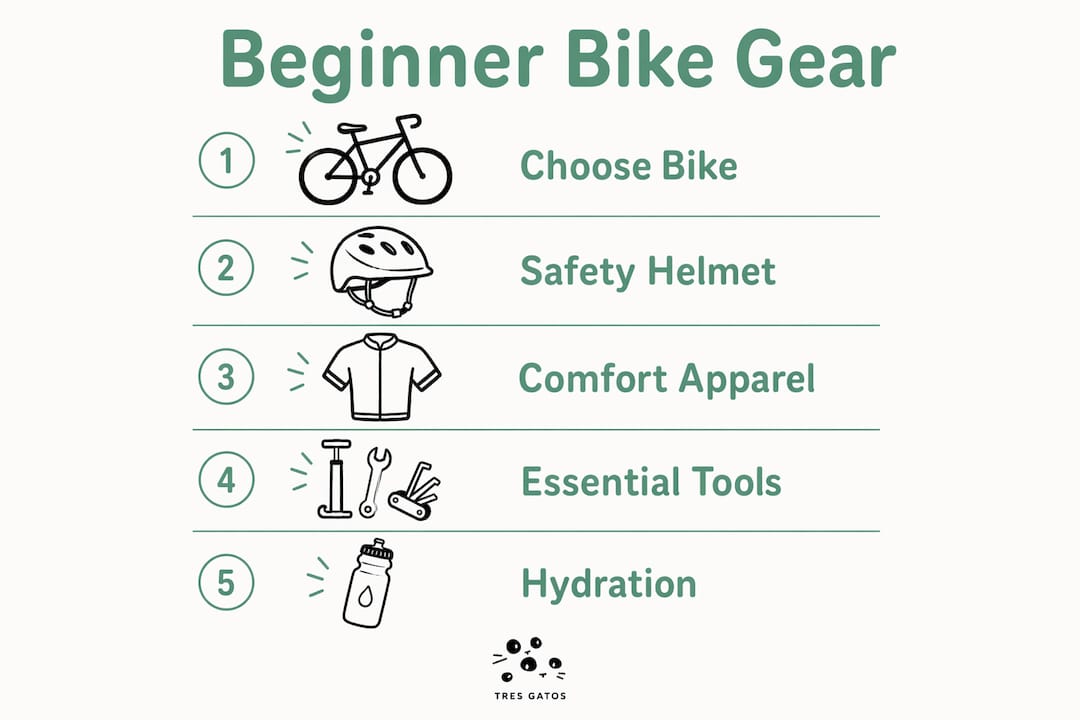
The bike you choose shapes the whole experience. For most beginners in Barcelona, a city bike or comfort hybrid works well on flat seafront routes and the Eixample grid. If you plan to go anywhere near Montjuïc or want to cover more than 10 km without arriving tired, an e-bike is worth the upgrade.
E-bike rentals cost roughly €10 more than a standard bike, and that extra cost buys you a lot of comfort. Hills that would stop a novice cold become manageable. You can extend your range, keep up with a group, and arrive at your destination without the kind of fatigue that turns a pleasant afternoon into a slog. For complete novices, the e-bike is not a shortcut. It is the sensible choice.
Key gear considerations for beginners:
- Helmet: Mandatory for children under 16 in Barcelona, and strongly recommended for adults. Most rental shops include one.
- Comfortable saddle: A wide, padded saddle makes a significant difference on rides over 45 minutes. Ask the rental shop to adjust saddle height before you leave.
- Lock: Essential if you plan to stop at cafes or attractions. Most rentals include one, but confirm before you go.
- Water and sunscreen: Barcelona sun is serious from April through October. A small backpack or handlebar bag handles both.
- Closed-toe shoes: Flip-flops on a bike pedal are a bad idea on any terrain.
For beginners renting independently, shops around Barceloneta and the Gothic Quarter stock city bikes, e-bikes, and fat-tire options. Guided tours like those run by Tresgatos include the bike, helmet, and insurance in the price, which removes the gear decision entirely.
How to ride safely and confidently as a beginner in Barcelona
Safe cycling in Barcelona follows a short list of consistent habits. Most beginners pick them up within the first 20 minutes on the road.
- Stay in the bike lane. Barcelona's cycling network covers the Eixample, the seafront, and most major tourist corridors. Dedicated lanes keep you away from cars and reduce the decisions you need to make at speed.
- Keep right. Bike lanes in Barcelona follow the same keep-right convention as roads. Faster cyclists pass on the left. Hold your line and let them through.
- Signal your turns. Extend your left arm for a left turn, your right arm for a right turn. Do it early. Pedestrians and other cyclists will thank you.
- Watch for pedestrians on promenades. The seafront path is shared with walkers, joggers, and the occasional rollerblader. People step sideways without looking. Slow down near clusters of people and give a short bell ring before passing.
- Approach intersections at walking pace. Even on protected lanes, intersections require a full look left and right. Do not assume a green light means the road is clear.
- Plan your stops. Stopping mid-lane to check your phone or read a map creates risk. Pull to the side, stop fully, then look at your route.
Pro Tip: Before heading onto busy streets, spend 10 minutes in Parc de la Ciutadella testing your brakes and handling. It sounds obvious, but most rental bikes are adjusted for an average rider, not you specifically.
Barcelona's cycling culture is relaxed by Northern European standards. Nobody is racing. The pace on the seafront promenade is closer to a brisk walk than a sprint. That relaxed rhythm is an asset for beginners. Match it, and the city opens up.
Common beginner mistakes when biking in Barcelona
Most problems beginners run into are predictable and easy to avoid once you know what to watch for.
- Underestimating coastal wind. The seafront looks flat and easy on a map. On a windy afternoon, riding against the breeze can turn a gentle pedal into real effort. Check the wind direction before you start and plan to ride into the wind on the outbound leg, so the return is easier.
- Choosing a route that is too long. A 20 km loop sounds manageable until you hit kilometer 14 and realize you still have to get back. Start with 8 to 10 km for your first ride. You can always extend it.
- Skipping the bike fit check. A saddle set too low strains your knees. Too high and you lose control on descents. Take two minutes at the rental shop to get it right.
- Riding on tourist promenades at peak hours. The Barceloneta promenade between 11 am and 2 pm on a summer weekend is crowded enough to make cycling frustrating. Start early, before 9 am, or go in the late afternoon.
"Many beginners mistakenly think urban cycling means navigating traffic-heavy streets, but Barcelona's extensive dedicated network often allows safe cycling well away from cars." — Barcelona Waterfront Bike Route for First-Timers
If you feel genuinely unsteady on a bike, a guided tour is the right call before going solo. A good guide sets the pace, handles the navigation, and knows which streets to avoid. That removes the three biggest sources of beginner anxiety in one go.
Key takeaways
Beginners can comfortably tour Barcelona by bike by starting on the flat seafront path between Barceloneta and Port Fòrum, choosing an e-bike for anything beyond 10 km, and riding during off-peak hours to keep the promenades clear.
| Point | Details |
|---|---|
| Best starting route | The Barceloneta to Port Fòrum seafront path is flat, wide, and traffic-separated. |
| E-bike advantage | E-bikes cost roughly €10 more but make hills and longer distances manageable for novices. |
| Helmet rules | Helmets are mandatory for under-16s and strongly recommended for all adult riders. |
| Practice first | Test brakes and bike fit in Parc de la Ciutadella before riding busier streets. |
| Wind awareness | Plan coastal rides so you ride into the wind first and return with it at your back. |
My honest read on biking Barcelona as a beginner
I have watched a lot of first-time riders leave the waterfront rental shop looking slightly nervous and return two hours later grinning. The seafront route does that. It is genuinely forgiving, and the city rewards you quickly with views that would cost you €20 on a tour bus.
The one thing I would push back on is the instinct to go solo immediately. Not because the city is dangerous. It is not. But because a good local guide changes what you see, not just where you go. On the Tresgatos tours, guides like Igor or Marina do not just lead the group from point A to B. They stop at a wall in the Gothic Quarter and explain why the stones are different colors. They know which cafe has been there since 1920 and which one opened last month. That context is what makes a bike ride feel like an afternoon in the city rather than a workout with scenery.
If you are very new to cycling, I would also say: rent the e-bike without guilt. E-bikes reduce physical exertion enough that you spend your energy looking around instead of managing effort. That is the whole point.
Start near the water. Ride slowly. Stop often. Barcelona at 12 km/h is a completely different city than Barcelona at walking pace or from a taxi window.
— Evgeny
Start your Barcelona ride with Tresgatos
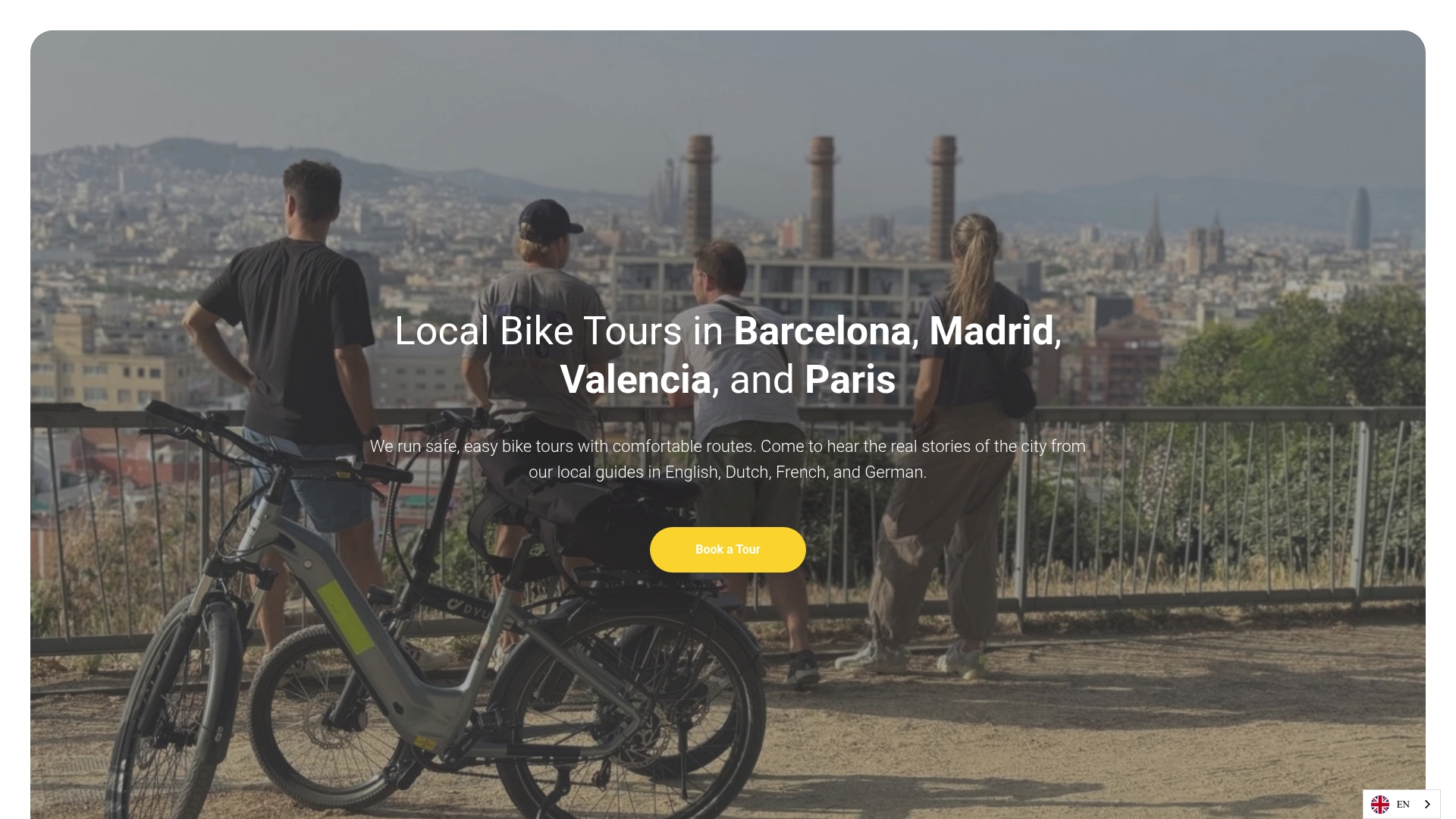
Tresgatos runs three-hour Barcelona bike tours for groups of nine people maximum, with one local guide who actually lives in the city. The bike, helmet, and insurance are included. No surcharges. Tours use comfortable city bikes and e-bikes, and the pace is set for people who want to see the city, not race through it. Guides like Igor and Marina know the streets, the stories, and the good stops. If you want a safe, well-paced introduction to Barcelona on two wheels, this is a solid place to start. Book directly at tresgatos.es.
FAQ
What is the easiest bike route in Barcelona for beginners?
The seafront path from Barceloneta Beach to Port Fòrum is the easiest route for beginners. It runs 8 to 15 km on wide, flat, traffic-separated lanes with clear landmarks throughout.
Do I need a helmet to cycle in Barcelona?
Helmets are legally required for cyclists under 16 in Barcelona. Adults are not legally required to wear one in the city, but most rental shops and guided tours provide helmets and strongly recommend their use.
Is an e-bike worth it for a beginner in Barcelona?
Yes, particularly for rides over 10 km or routes that include any elevation, such as Montjuïc. E-bike rentals cost roughly €10 more than standard bikes and significantly reduce fatigue for novice riders.
How long does a beginner bike tour of Barcelona take?
Most beginner-friendly guided tours, including those offered by Tresgatos, last around three hours. Self-guided rides along the seafront typically take one to two hours depending on pace and stops.
Is Barcelona cycling-friendly for tourists with no experience?
Yes. Barcelona's dedicated cycling network covers the main tourist corridors and keeps most beginner routes well away from heavy traffic. The seafront promenade in particular requires almost no prior cycling experience to ride safely.